Fr
Fr De
De En
EnCost of living & salaries in Luxembourg in 2026
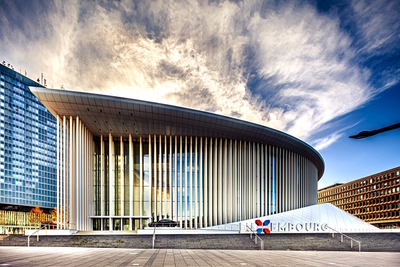
At the crossroads of France, Belgium and Germany, Luxembourg is particularly attractive to cross-border workers. With its international job market, some of the highest salaries in Europe and a renowned quality of life, the country attracts new expatriates every year. Discover the cost of living, purchasing power and salaries in Luxembourg in 2026.
2. Expenses in Luxembourg
3. Monthly budget required in Luxembourg
4. Purchasing power in major Luxembourg cities
5. Living and working in Luxembourg: key advantages
6. Key takeaways

According to the latest data from Eurostat and the Luxembourg Employment Observatory (2025):
The average annual gross salary in Luxembourg is around €75,000, or more than €6,200 per month.
The average monthly net income, after taxes and social security contributions, is around €4,200, depending on the individual's family situation.
The gross social minimum wage is set at €2,703.74 for an unskilled worker and €3,244.48 for a skilled worker. This is the highest minimum wage in the European Union. At the other end of the scale, Bulgaria has the lowest monthly minimum wage at just €551.
By comparison, a Luxembourg employee earns 40 to 50% more than an employee in France, Belgium or Germany. However, this advantage is partly offset by a higher cost of living, particularly when it comes to housing and certain services.
Housing
Housing in Luxembourg accounts for the largest share of residents' budgets:
- Studio in the city centre: €1,400–€1,700/month in Luxembourg City
- 2–3-room apartment: €2,200–€2,800/month, depending on the location
- Utilities (heating, water, electricity, internet): around €250–€300/month, slightly higher than in neighbouring countries
For comparison: The price per square metre when buying property often exceeds €10,000 in the capital, prompting many workers to live in France, Belgium or Germany.
Food
Food products are noticeably more expensive than in France or Germany:
- Supermarket products: +10 to +15% compared with France
- Restaurants: average bill of €25–€30 per person
- Monthly food budget: €400–€450 per adult
Transport
- Public transport pass: €0 for residents and cross-border workers, as Luxembourg is the first country in the world to offer completely free public transport
- Fuel: slightly cheaper than in neighbouring countries (thanks to lower taxation)
Healthcare and health insurance
The healthcare system is funded by the National Health Fund (CNS), which is integrated into social security contributions.
- Medical consultations: €30–€50, generally reimbursed at 80–90%
- Quality and speed of care: among the best in Europe
Leisure, internet and clothing
- Internet & mobile phone: €50–€60/month
- Leisure (cinema, sports, going out): slightly more expensive than in France (+5 to +10%)
- Clothing: prices comparable to other eurozone countries
Between housing, food and leisure, living in Luxembourg comes at a certain cost. Here is an estimate of the monthly budget required for different household types in 2026.
| Single person | Couple | Family | |
|---|---|---|---|
| Rent and utilities | €1,600 | €2,500 | min. €3,000 |
| Food | €425 | €850 | €1,200 |
| Transport | Free | Free | Free |
| Healthcare | included in salary | included in salary | included in salary |
| Internet and mobile | €50 | €60 | €70 |
| Leisure and clothing | €300 | €600 | €800 |
| Total per month | ~€2,400 | ~€4,000 | ~€5,000 |
A Luxembourg household should therefore budget €4,000 to €5,000 per month for a comfortable standard of living, which is consistent with the level of local salaries.
Although salaries in Luxembourg are among the highest in Europe, purchasing power varies significantly depending on the city where you live, mainly due to rent levels and the overall cost of everyday life.
- Luxembourg City: very high rents, but purchasing power supported by the highest salaries
- Esch-sur-Alzette: slightly lower cost of living and more affordable housing, but average salaries are also lower
- Differdange & Dudelange: alternatives for families looking for more affordable housing than in the capital
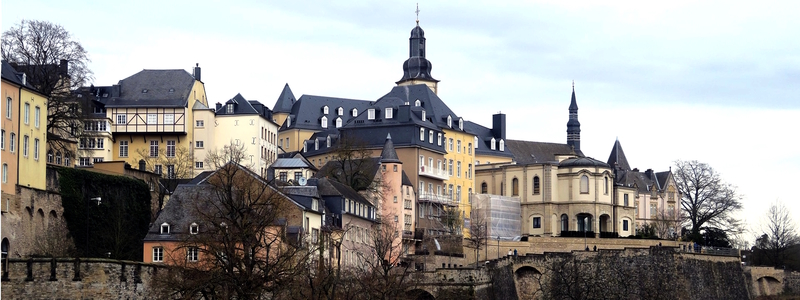
Luxembourg attracts many expatriates and cross-border workers thanks to:
- Net salaries among the highest in Europe.
- An efficient healthcare system largely funded through social security.
- Completely free public transport, unique in the world.
- A multicultural environment (almost 50% of the population is foreign).
- A strategic location in the heart of Europe, with fast connections to Paris, Brussels and Frankfurt.
In 2026, here are the main differences between Luxembourg and its neighbouring countries:
- Average net salary: ~€4,200 (Luxembourg) vs ~€2,500–€2,900 (France, Belgium, Germany) = +40 to +60%
- Housing: significantly more expensive, especially in Luxembourg City.
- Food: +10 to +15% compared with France
- Public transport: free in Luxembourg (compared with €60–€90/month elsewhere)
- Healthcare: similar costs, with reimbursements often more advantageous
- Leisure and internet: comparable prices, or slightly higher
Find out more:
- Job boards in Luxembourg: The best platforms
- Minimum wage in Europe: Country ranking
- Average salary in Europe: Country ranking

Olivier Geslin











Articles suggérés sur le même thème