Fr
Fr De
De En
EnCost of living & purchasing power in Switzerland in 2026

Switzerland is one of the wealthiest countries in Europe, with some of the highest salaries on the continent. However, the high level of income comes with a correspondingly high cost of living. From housing and food to healthcare and transport, everyday expenses can have a significant impact on household budgets. Discover the main costs of living in Switzerland and the budget you should plan for to live comfortably in the country.
2. Cost of living in Switzerland
3. Monthly budget to plan for in Switzerland
4. Purchasing power in major Swiss cities
5. Cross-border worker or resident: an important choice
6. Understanding the cost of living in Switzerland
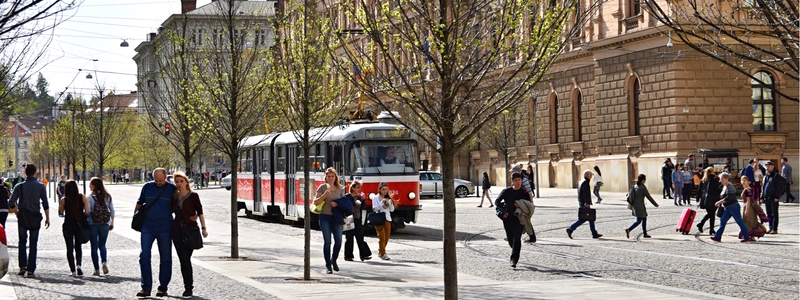
According to data from the OECD, the average annual salary in Switzerland is around €67,409 gross, or approximately €5,617 per month, corresponding to a net income of around €4,382.
Income in Switzerland can vary considerably depending on the industry, professional experience, qualifications and location. Particularly well-paid sectors include finance, pharmaceuticals, engineering and technology, where experienced professionals and executives can earn between CHF 10,000 and CHF 16,800 per month.
However, a high gross salary does not automatically translate into the same level of disposable income. Rent, health insurance, taxes and everyday expenses account for a significant share of household budgets and should therefore be taken into consideration when assessing a job offer in Switzerland.
The cost of living in Switzerland varies depending on your location and lifestyle, with housing, healthcare and everyday expenses accounting for a significant share of the monthly budget.
Housing and utilities: Housing is one of the largest expenses in Switzerland. A city-center studio costs around CHF 1,600/month, while a 2- to 3-room apartment typically ranges from CHF 2,000 to CHF 3,500, with Zurich and Geneva among the most expensive cities. In addition, utilities such as electricity, heating and water cost around CHF 150–300/month.
Food: It is another major household expense in Switzerland. A single adult spends around CHF 450/month, while a family may spend close to CHF 1,000.
Clothing, personal care and leisure: Clothing and personal care can take up a significant part of the monthly budget. Leisure expenses can reach around €600–€850 per month for a single person or couple, depending on lifestyle and activities.
Transport and fuel: Switzerland has an extensive and reliable public transport network. A monthly pass costs around CHF 98, depending on the network and subscription. For drivers, additional costs include fuel, insurance, maintenance, parking and vehicle taxes.
Healthcare and health insurance: In Switzerland, health insurance is compulsory and costs around CHF 300–500 per month per person, depending on the insurance model and deductible. Healthcare can represent a significant expense, as patients may also have to pay deductibles, co-payments and other medical costs.
Internet and subscriptions: Finally, Internet, mobile and TV services cost an average of CHF 60 to CHF 100/month. The exact amount depends on the provider, connection speed and combination of services selected. Switzerland generally offers extensive and high-quality telecommunications infrastructure.

The table below provides an estimate of the average monthly budget needed to live in Switzerland in 2026, distinguishing between the expenses of a single person and those of a couple or family:
| Single person (CHF) | Family or couple (CHF) | |
|---|---|---|
| Rent and utilities | 1,600 + 200 | 2,500–3,500 |
| Food | 450 | ~1,000 |
| Transport | 98 | ~200 |
| Health insurance | 350 | 700 |
| Telecommunications | 60–100 | 100–150 |
| Clothing and personal care | 100–150 | 400–600 |
| Total monthly | ~2,800–3,000 | ~5,300–6,150 |
💶 Result: A comfortable budget for a family is therefore around CHF 5,500 per month, depending on the location, housing situation and lifestyle. For a single person, a monthly budget of around CHF 2,800 to CHF 3,000 provides a useful reference point for estimating regular living expenses.
The cost of living varies considerably between Swiss cities. Zurich and Geneva are among the most expensive locations, particularly when housing costs are taken into account.
Basel generally has a lower cost-of-living index than Zurich and Geneva, while Lausanne and Bern also offer different cost structures depending on housing and lifestyle.
According to Numbeo:
- Zurich: cost of living + rent index = 93.18; local purchasing power = 167.3
- Geneva: cost of living + rent index = 90.63; local purchasing power = 171.0
- Basel: cost of living + rent index = 83.87; local purchasing power = 194.9
- Lausanne: cost of living + rent index = 83.44; local purchasing power = 180.5
- Bern: cost of living + rent index = 77.18
💡 Good to know: These figures illustrate the differences between major Swiss cities. When considering a job offer, it is therefore important to look at salary and local living costs together, particularly housing and health insurance.

For people working in Switzerland, living arrangements can have a major impact on their overall budget. Cross-border workers can choose to work in Switzerland while living in a neighboring country, while residents live and pay their everyday expenses directly in Switzerland.
For those living in Swiss border regions, housing costs can be particularly high. In major employment centers such as Geneva, Zurich and Basel, the demand for housing can significantly affect rental prices.
Cross-border workers may therefore consider their place of residence carefully when evaluating a Swiss job opportunity. Factors such as rent, commuting costs, taxation, health insurance and travel time all need to be taken into account.
For Swiss residents, proximity to the workplace can reduce commuting time and provide easier access to local services, while housing costs remain one of the main factors determining the overall household budget.
📝 In short: Ultimately, the most suitable arrangement depends on the individual's salary, place of work, family situation, housing needs and commuting requirements.
To better understand the financial requirements of living in Switzerland, here is a brief summary of the main income and expenditure figures for 2026:
- Average net salary: ~€4,382/month
- Single person's monthly budget: ~CHF 2,800–3,000
- Family or couple's monthly budget: ~CHF 5,300–6,150
- Housing: typically CHF 1,600/month for a city-center studio
- Food: around CHF 450/month for a single adult
- Transport: around CHF 98/month for a public transport subscription
- Health insurance: around CHF 300–500/month per person
- Internet/mobile/TV: around CHF 60–100/month
- Comfortable family budget: around CHF 5,500/month
📊 In summary: Living in Switzerland can provide access to high salaries and a strong labor market, but careful budgeting remains essential. Housing, health insurance and everyday expenses can represent a substantial share of income. Before relocating, it is therefore useful to calculate your expected salary alongside the specific cost of living in your future city or canton.
Find out more:
- Salaries in Switzerland: Minimum wage & average pay
- Job boards in Switzerland: The best platforms
- Average salary in Europe: Country ranking

Olivier Geslin









Suggested articles on the same topic