Fr
Fr De
De En
EnLegal minimum wage in Germany in 2026: Rates & regulations

Since 2015, a statutory minimum wage has been in force throughout Germany. In 2026, the German minimum wage is €13.90 per hour and €2,409.33 per month (gross). Find out who is entitled to the minimum wage in Germany, which categories of workers are excluded from the Mindestlohn, and what increases are planned for the coming years.
2. Statutory minimum wage in Germany in 2026
3. Development and increases in the minimum wage in Germany
4. Who is not entitled to the minimum wage in Germany?
5. Minimum income applicable under collective agreements
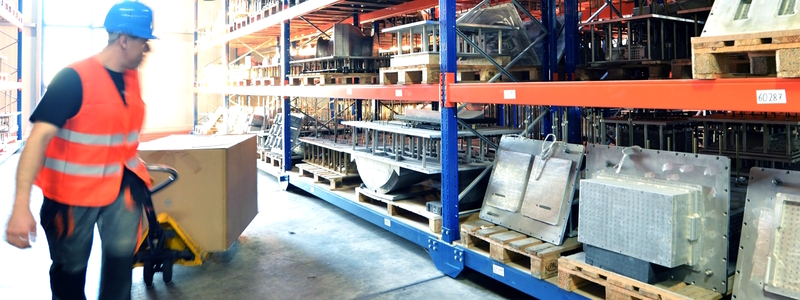
In Germany, the statutory minimum wage has applied to all sectors of activity since 1 January 2018.
Since 2020, there has also been a minimum wage for apprentices in Germany, or, more precisely, a minimum training allowance for young people in vocational training (Mindestausbildungsvergütung, MiAV), which increases after each completed year of training. The amounts for people starting vocational training in 2026 are as follows:
- 1st year of training: €724 (gross/month)
- 2nd year of training: €854 (gross/month)
- 3rd year of training: €977 (gross/month)
- 4th year of training: €1,014 (gross/month)
☝ Please note: The statutory minimum wage should not be confused with the minimum wages set for individual sectors of activity (see below).
Under the German legislation governing the minimum wage, the Mindestlohn is reviewed every two years. The members of the Minimum Wage Commission (Mindestlohn Kommission) determine the amount based on developments in collectively agreed wages observed in Germany. The German minimum wage in 2026 (applicable since 1 January 2026) is:
- €13.90 (gross/hour)
- €2,409.33 (gross/month) for a 40-hour working week
The net German minimum wage (after tax and social security deductions) varies from person to person and depends on factors such as tax class, family situation, number of children, religious affiliation and federal state (Land).
📌 Example: A single person (unmarried, no children, covered by statutory insurance) living in North Rhine-Westphalia, working 40 hours per week and not paying church tax: the minimum wage would amount to €1,890.12 (net/month), corresponding to an annual net income of €22,681.43.
Feel free to use an online calculator to estimate your net salary based on your gross salary: Calculate gross/net salary in Germany, Lohnspiegel
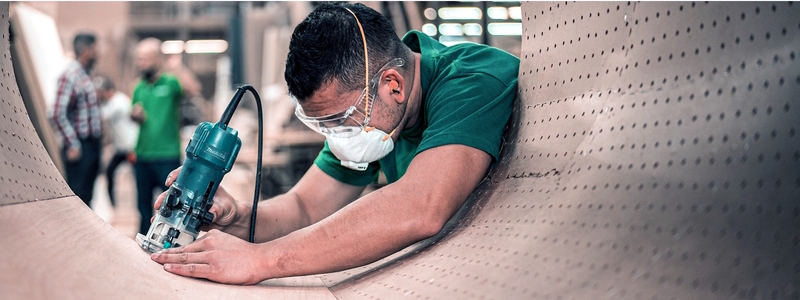
In Germany, the statutory minimum wage is adjusted and increased every two years based on inflation and wage developments, with the latest reassessment taking place on 27 June 2025.
The history of the German minimum wage from 2015 to 2027
| Year | Minimum wage (gross/hour) | Minimum wage (gross/month) |
| 2015 | €8.50 | €1,473.33 |
| 2016 | €8.50 | €1,473.33 |
| 2017 | €8.84 | €1,532.26 |
| 2018 | €8.84 | €1,532.26 |
| 2019 | €9.19 | €1,592.93 |
| 2020 | €9.35 | €1,620.66 |
| 2021 (01/01 to 30/06) | €9.50 | €1,646.66 |
| 2021 (01/07 to 31/12) | €9.60 | €1,664.00 |
| 2022 (01/01 to 30/06) | €9.82 | €1,702.13 |
| 2022 (01/07 to 31/12) | €10.45 | €1,811.33 |
| 2023 | €12.00 | €2,080.00 |
| 2024 | €12.41 | €2,151.06 |
| 2025 | €12.82 | €2,222.13 |
| 2026 | €13.90 | €2,409.33 |
| 2027 | €14.60 | €2,530.66 |
(The indicative monthly minimum wage corresponds to a 40-hour working week.)
📝 Please note: According to the Deutsche Presse-Agentur (dpa), the increase in the minimum wage would affect 37% of German companies. As a result of these higher costs, many companies are reportedly reducing investment and planning to increase their prices.
The statutory minimum wage applies to all employees over the age of 18, including retirees, foreign workers in Germany, seasonal workers and adult school students. However, the German Minimum Wage Act, Mindestlohngesetz (MiLoG), provides for the following exceptions:
- volunteers
- young people under 18 who have not completed vocational training
- apprentices (regardless of age) undertaking vocational training (see note above)
- long-term unemployed people (during the first six months of their new employment)
- self-employed workers
- home workers (Heimarbeitsgesetz)
- interns (if the internship is compulsory as part of school or university education)
- interns (if the internship is voluntary and lasts up to three months)
- young people taking part in a training programme to prepare for vocational training or another course
- participants who are required to take part in training in accordance with the Vocational Training Act
- people participating in return-to-work programmes
- people with disabilities whose status is comparable to that of a fully employed worker
🚫 Important: Apart from the cases listed above, no sector may pay less than the statutory minimum wage, and this has been the case since 2021.
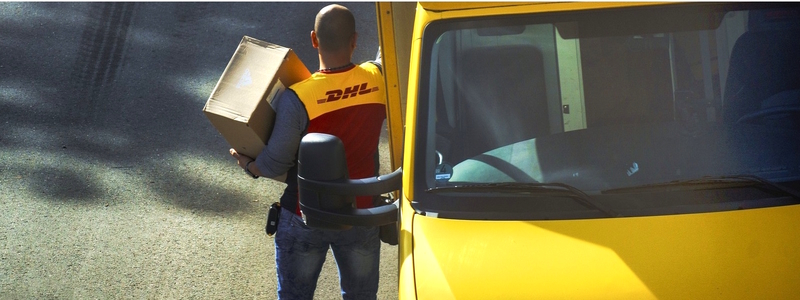
The statutory minimum wage sets a minimum threshold for all sectors of activity. However, in many industries, employers are required to pay a higher hourly rate. In general, this rate is set by a collective agreement.
Just like the statutory minimum wage, the contractual wage is governed by the collective agreement, which sets a minimum threshold that must be respected. As a result, an employee in Germany may receive a salary higher than the minimum specified in the collective agreement.
👉 Good to know: A collective agreement can be declared binding for an entire sector if there is a public interest in doing so. In this case, the parties to the collective agreement can apply for the agreement to be declared "generally binding" (allgemeinverbindlich). If the Federal Ministry of Labour and Social Affairs approves the application, the collective agreement becomes mandatory for all employees and employers within its geographical and material scope.
Find out more:
- Minimum wage in Europe: Country ranking
- Average salary in Europe: Country ranking
- Minimum wage in France (SMIC): Rates & regulations

Olivier Geslin








Suggested articles on the same topic