Fr
Fr De
De En
EnCost of living & purchasing power in Austria in 2026

Located in the heart of Central Europe, Austria attracts people with its high quality of life, strong social system and dynamic economy. But how much does it cost to live in Vienna, Graz or Innsbruck? From salaries and rent to food and healthcare, discover the key figures and expenses to expect in Austria in 2026.
2. Expenses in Austria: an overview
3. Monthly budget to plan for in Austria
4. Purchasing power in major Austrian cities
5. Living and working in Austria: an interesting balance
6. Key figures on costs and income
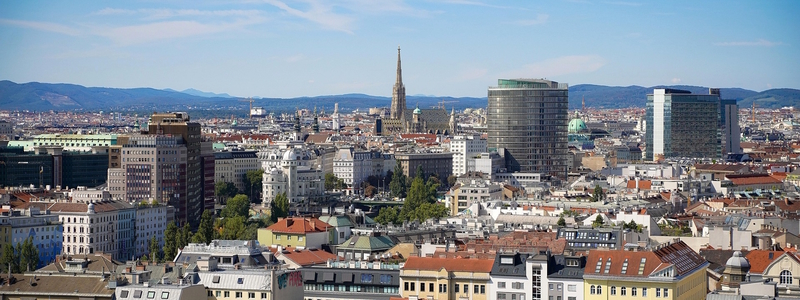
According to the latest data from the OECD:
The average gross annual salary in Austria is around €52,000, or €4,333 per month. Net salaries are around €3,000 to €3,200 per month.
Salaries vary depending on the sector, profession and level of experience. Engineering, industry and high-end tourism offer particularly attractive earning opportunities.
💡 Good to know: After taking social security contributions and the local cost of living into account, net purchasing power remains relatively high, with an estimated purchasing power premium of around 10 to 15% compared with other European countries.
The cost of living in Austria varies considerably depending on the city, lifestyle and individual spending habits. The main expenses include housing, food, transport, healthcare and leisure activities.
Housing and utilities: Rental prices in Austria vary depending on the city and location. Vienna is generally more expensive, with a studio in the city centre costing around €900 per month and a one- to two-bedroom apartment around €1,200–€1,800. Graz and Linz tend to offer more moderate housing costs. Utilities such as heating, electricity, water and internet typically add around €200–250 per month.
Food: Grocery costs in Austria vary depending on products and shopping habits. Bread, dairy products and meat tend to be more expensive, while seasonal and locally produced fruit and vegetables can be more affordable. A single adult typically spends around €350–400 per month on food.
Transport: Public transport is relatively affordable in Austria, particularly in Vienna, where a monthly pass costs around €55–60. Fuel prices are generally moderate by European standards, although they vary depending on market conditions and location.
Healthcare and health insurance: Health insurance in Austria is mandatory and largely publicly funded, with contributions shared between employees and employers and deducted from gross salaries. Medical costs are generally moderate, with a GP consultation costing around €30–40 and often being reimbursed. Overall, the system provides broad coverage with relatively predictable out-of-pocket costs.
Leisure, clothing and subscriptions: Leisure activities such as cinema, sports and dining out are generally affordable, although prices vary by location and activity. Internet and mobile plans typically cost around €30–35 per month, while clothing prices vary widely depending on brands and retailers.
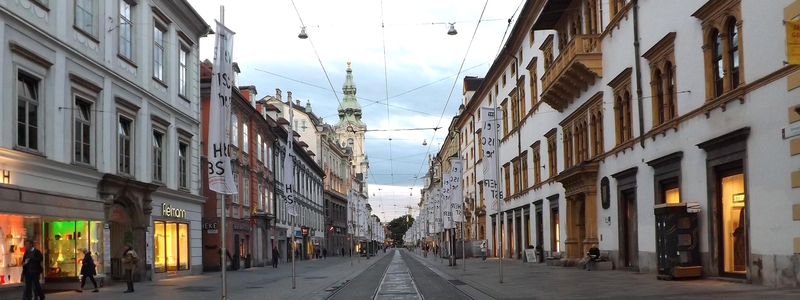
The table below provides an estimate of the average monthly budget needed to live in Austria in 2026, distinguishing between the main expenses for a single person, a couple and a family.
| Single person | Couple | Family | |
|---|---|---|---|
| Rent and utilities | €1,150 | €1,600 | €2,000 |
| Food | €375 | €750 | €1,000 |
| Transport | €60 | €120 | min. €120 |
| Healthcare | included in salary | included in salary | included in salary |
| Internet and mobile | €35 | €50 | €60 |
| Leisure and clothing | €250 | €500 | €700 |
| Monthly total | ~€1,950 | ~€3,200 | ~€3,800 |
📊 Result: A comfortable budget for a family in Austria is therefore around €4,000 per month, depending on the city, housing situation and lifestyle.
Major Austrian cities offer a variety of lifestyles, but housing costs and consumer habits have a strong influence on households' overall budgets.
While Vienna remains the cultural and economic capital, with higher rents, other cities such as Graz and Linz offer an attractive quality of life at a lower cost.
- Vienna: higher rents but affordable public transport and efficient public services.
- Graz and Linz: cost of living around 10–15% lower than in Vienna.
- Innsbruck and Salzburg: more expensive housing due to tourism, but a high quality of life.
📌 In summary: According to Numbeo, Vienna has relatively high local purchasing power, supported by higher salaries and moderate public transport costs.
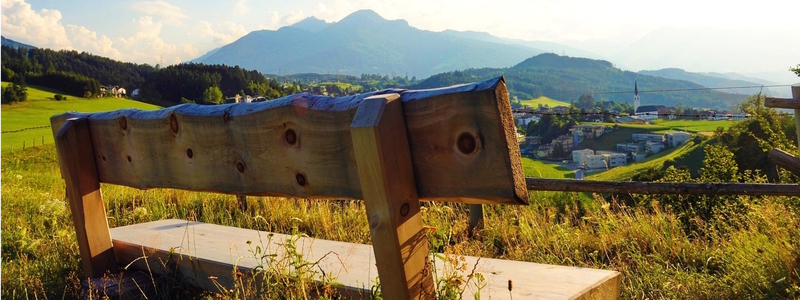
The "land of Mozart" attracts many European expatriates thanks to its balance between salary levels, cost of living and the quality of public infrastructure. Austria combines relatively high wages with a comprehensive social system and well-developed public services.
The job market is dynamic, particularly in sectors such as mechanical engineering, engineering, tourism, renewable energy and information technology.
Austria generates around 76.9% of its electricity from renewable sources and has around 1,451 wind turbines, highlighting the importance of renewable energy in the country's energy mix.
Austrian companies focus on stability, continuing education and a positive working environment. The unemployment rate remains relatively low, making the country attractive to skilled workers. Other notable advantages include:
an efficient public healthcare system, financed through social security contributions
high-quality education, ranging from free public schools to internationally recognised universities
reliable and affordable public transport, particularly in Vienna, which is regularly ranked among the world's most liveable cities
Finally, safety, a well-preserved natural environment and proximity to many European countries further enhance Austria's appeal to families and expatriates.
To better understand the cost of living in Austria, here is a summary of the main income and expense figures for 2026:
- Average net salary: around €3,000–€3,200 per month
- Housing: around €900 for a studio in central Vienna
- Food: around €350–400 per month for a single adult
- Public transport: around €55–60 per month in Vienna
- Healthcare: covered through the public health insurance system and social security contributions
- Internet and mobile: around €30–35 per month
- Utilities: around €200–250 per month
- Comfortable family budget: around €4,000 per month
Find out more:
- Salaries in Austria: Average income & taxes
- Job search platforms in Austria: The best sites
- Average salary in Europe: Country ranking

Olivier Geslin








Suggested articles on the same topic